New research across mechanics, materials, simulation and scientific machine learning. Each note connects a paper to a focused pilot in ten business days.
Explore the archive
Search titles, summaries, tags and paper sources, or choose a broad research area.
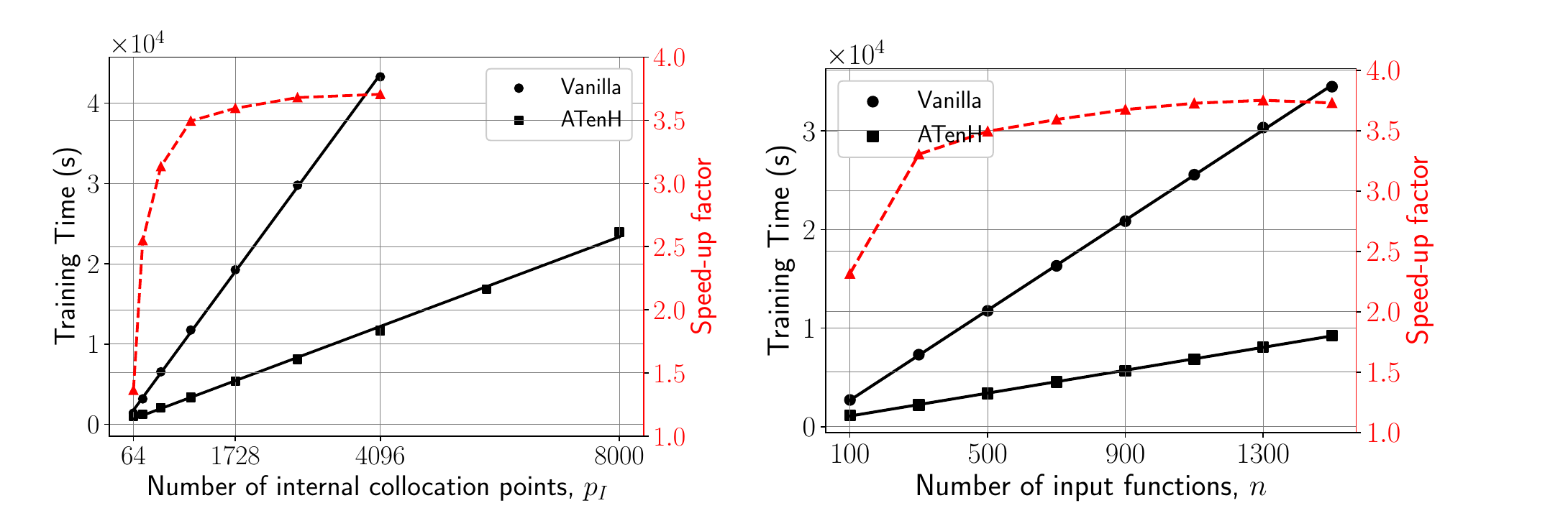
A mathematically equivalent PI-DeepONet implementation avoids repeated Branch-network evaluations, reducing reported two-dimensional training time by 71.4% while maintaining comparable error.
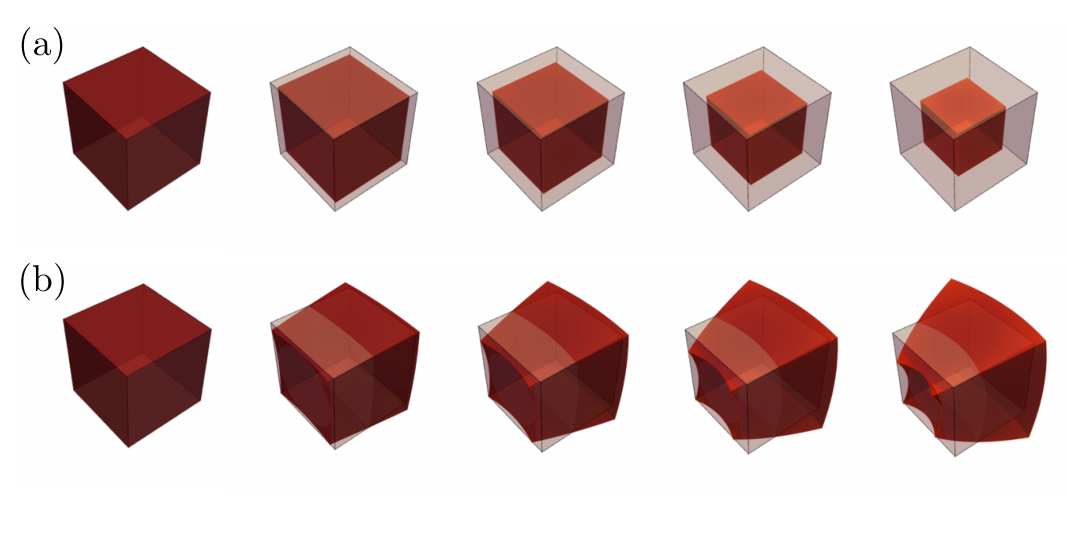
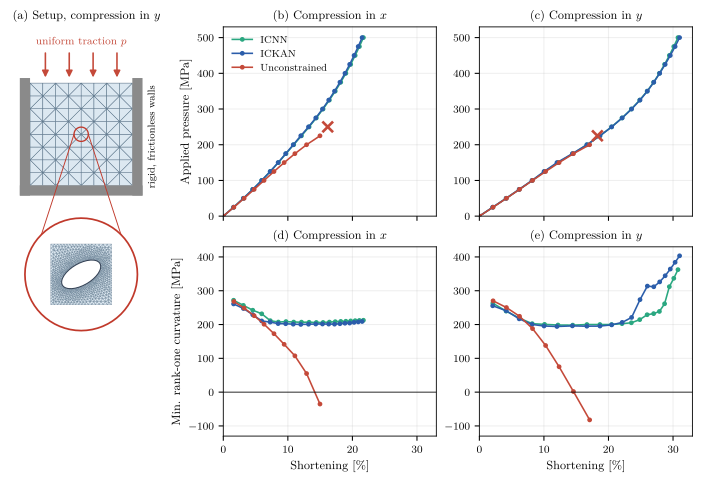
Learned directional features and a polyconvex architecture keep an anisotropic hyperelastic surrogate mechanically admissible outside its fitting range, though this guarantee comes with a measurable cost in in-domain accuracy.
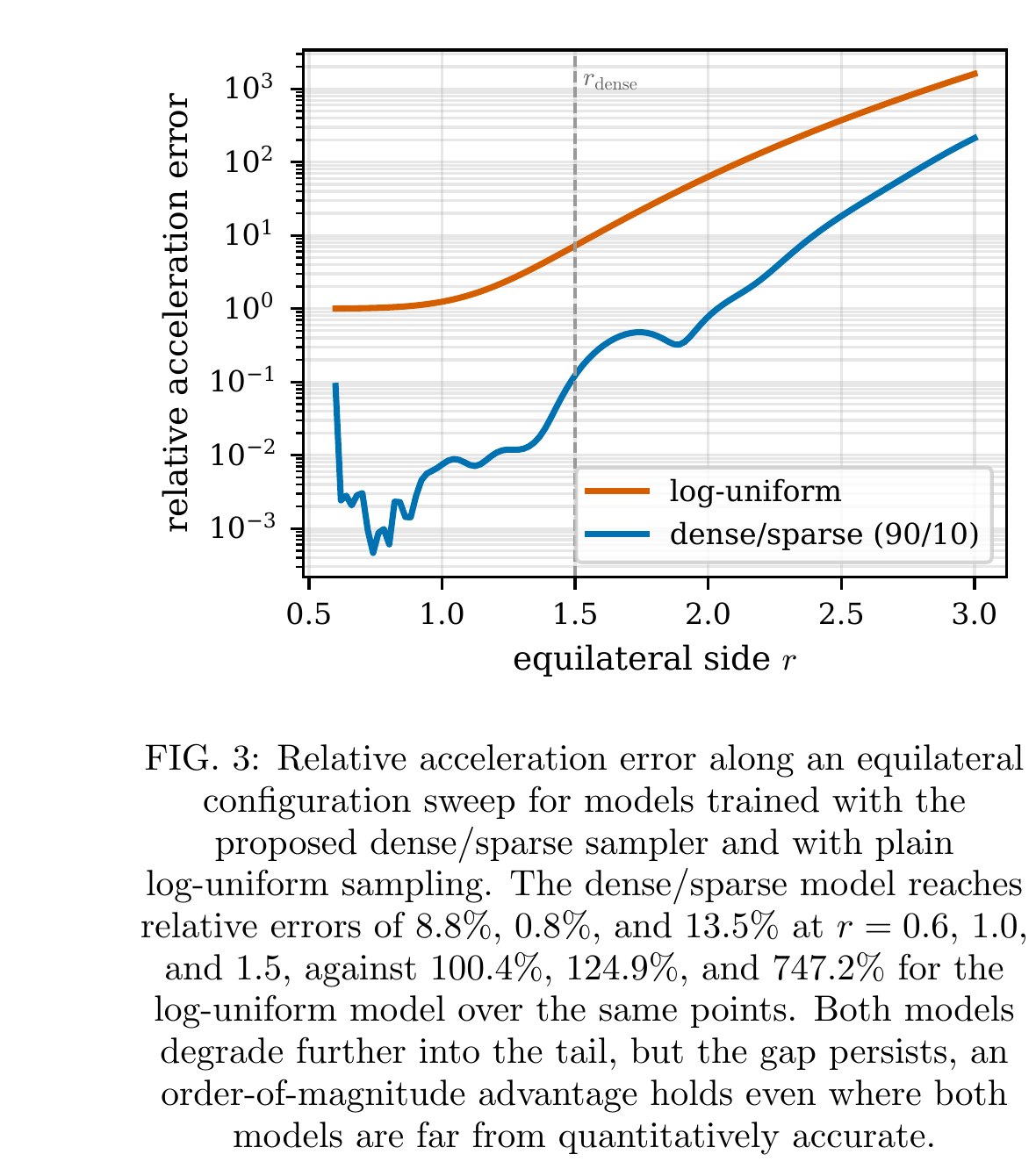
A Lagrangian neural network with a fixed, known kinetic term can infer a non-additive three-body potential from accelerations—but only if the sampling design captures the configurations that carry the signal.
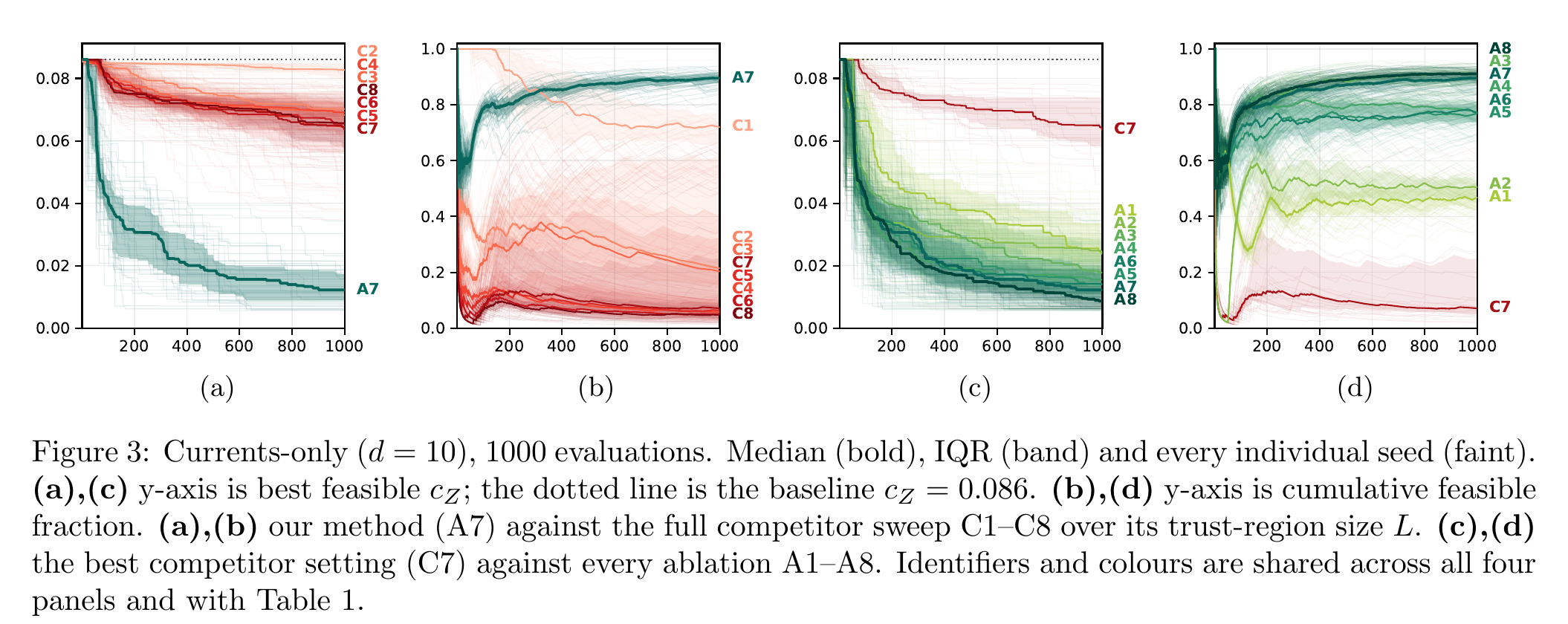
Their local geometry is encoded in how a high-dimensional state responds to design perturbations. A small, explicit Jacobian budget can expose that geometry and prevent an expensive optimizer from having to rediscover it through successive failed evaluations.
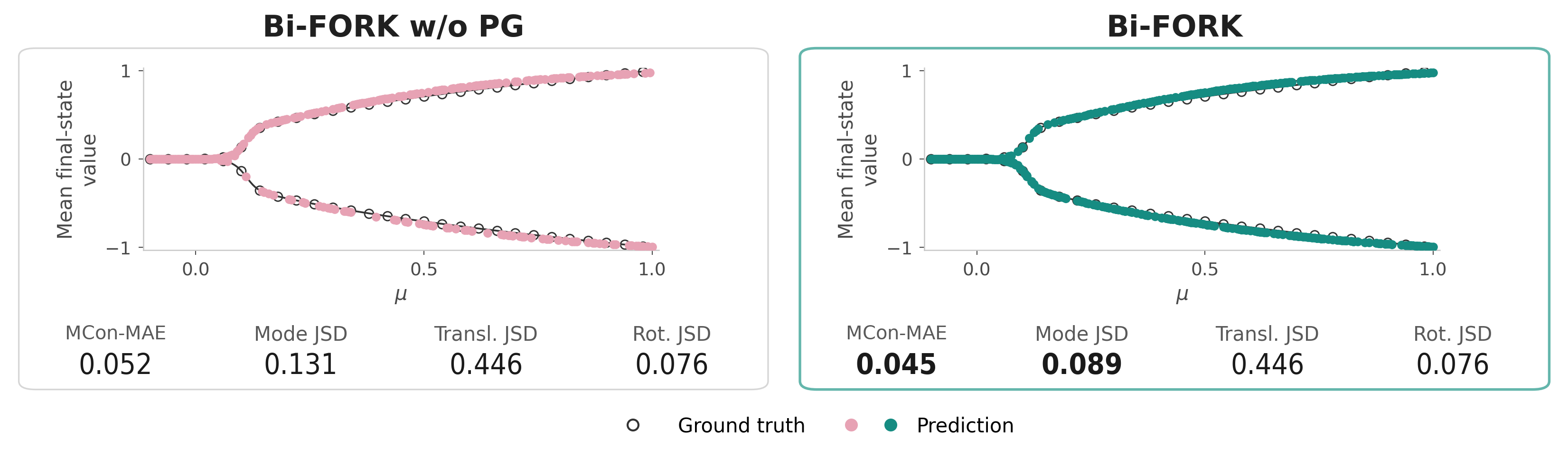
Bi-FORK learns one-to-many physical solution maps using latent flow matching and repulsion-guided sampling, maintaining coherent alternative trajectories across space and time.